Refaat Alareer Collection (Poetry)
Refaat Alareer (1979-2023) was a prominent Palestinian poet, professor, and activist born and raised in the Gaza Strip. He graduated in English from the Islamic University of Gaza, earned a MA in Comparative Literature from University College London, and a PhD in English Literature from the University Putra Malaysia.
Alareer taught English literature and creative writing for over fifteen years at the Islamic University of Gaza, which was leveled by Israeli bombardments in 2023. Alareer co-founded the organization We Are Not Numbers, which pairs young writers in Gaza with experienced English-language writing mentors around the world to foster Palestinian self-determination through literature. In this spirit, and to educate the world about Palestine, he edited two volumes of his student’s writings: Gaza Writes Back (2013) and Gaza Unsilenced (2014).
On December 6, 2023, after weeks of death threats, Refaat Alareer was killed by a targeted Israeli airstrike in his sister’s home in Northern Gaza. His brother, sister, and four of his nephews were killed in the same airstrike. “If I Must Die,” one of Alareer’s earliest poems, has been widely circulated following his murder and has become an anthem and the piece through which Refaat Alareer is remembered around the world.
Dr. Hammam Alloh Collection (Health and Human Rights)
Dr. Hammam Alloh (1987-2023) was a Palestinian nephrologist (kidney specialist) at Al-Shifa Hospital. He completed his secondary education in Gaza, before leaving to study medicine abroad for fourteen years. Upon his return, he was the only nephrology specialist in Gaza. Dr. Alloh risked his life to remain in Gaza and continue practicing medicine and saving lives during Israel’s relentless bombardments beginning in October 2023. During that time, he appeared in several interviews in the Western media, including Democracy Now! and Jewish Currents. On November 12, 2023, he was killed in an Israeli airstrike along with his father and brother-in-law. Al-Shifa Hospital – which was the primary medical complex in Gaza – is now in ruins after two major military raids by Israeli forces. The State of Israel’s unrelenting and deliberate destruction of healthcare facilities in Gaza has resulted in the unprecedented killing of over 1,000 Palestinian doctors, nurses and medical workers.
Naji Al-Ali Collection (Visuals and graphic materials)
Naji al-Ali (1938-87) was a Palestinian political cartoonist and one of the most prominent cartoonists in the Arab world. His character Handala – a child who will not grow up until he returns to his homeland – has become a personification of the Palestinian people and a symbol of national resistance. Al-Ali was born in the northern Palestinian village of Al-Shajara, and he lived with his family as an exile in a south Lebanon refugee camp after the 1948 Nakba. He worked as a car mechanic in his youth. He enrolled in the Lebanese Academy of Fine Arts (’59), but frequent detentions due to his participation in the Arab National Movement prevented the completion of his studies. He taught drawing until the Palestinian author and journalist Ghassan Kanafani first published his work in 1962, leading to a series of publications and jobs in the newspaper and magazine industries. During his career, he drew over 40,000 cartoons characterized by sharp criticisms of Israel as well as Palestinian and other Arab leaders. In 1987, Al-Ali was assassinated by an unknown entity outside the London offices of al-Qabas, a newspaper that published his cartoons.
Hind Rajab Collection (Children’s Literature and texts about children’s wellbeing and education)
Hind Rajab (2018-24) was a 5-year-old Palestinian girl killed by Israeli forces during the ongoing invasion of the Gaza Strip. Israeli forces shelled her family’s vehicle as they were fleeing Gaza City, killing her aunt, uncle, and three of her cousins. Rajab and one surviving cousin contacted the Palestine Red Crescent Society (PRCS) to ask for help while still under attack from an Israeli tank. After the remaining cousin was killed, Rajab remained stranded in the vehicle for three hours on the phone as paramedics tried to rescue her. On February 10, after Israeli forces withdrew, she and two paramedics were found killed. Israel’s claim that no troops were present in the neighborhood was refuted by satellite imagery, and evidence suggests that 335 rounds were fired into the vehicle of Rajab’s family despite that tank operators could have seen that the car contained civilian and children occupants. Western media outlets were criticized for coverage of her killing for “adultifying” her and failing to report who killed her. During the encampments in universities in the U.S., student protestors renamed overtaken buildings in honor of Hind Rajab.
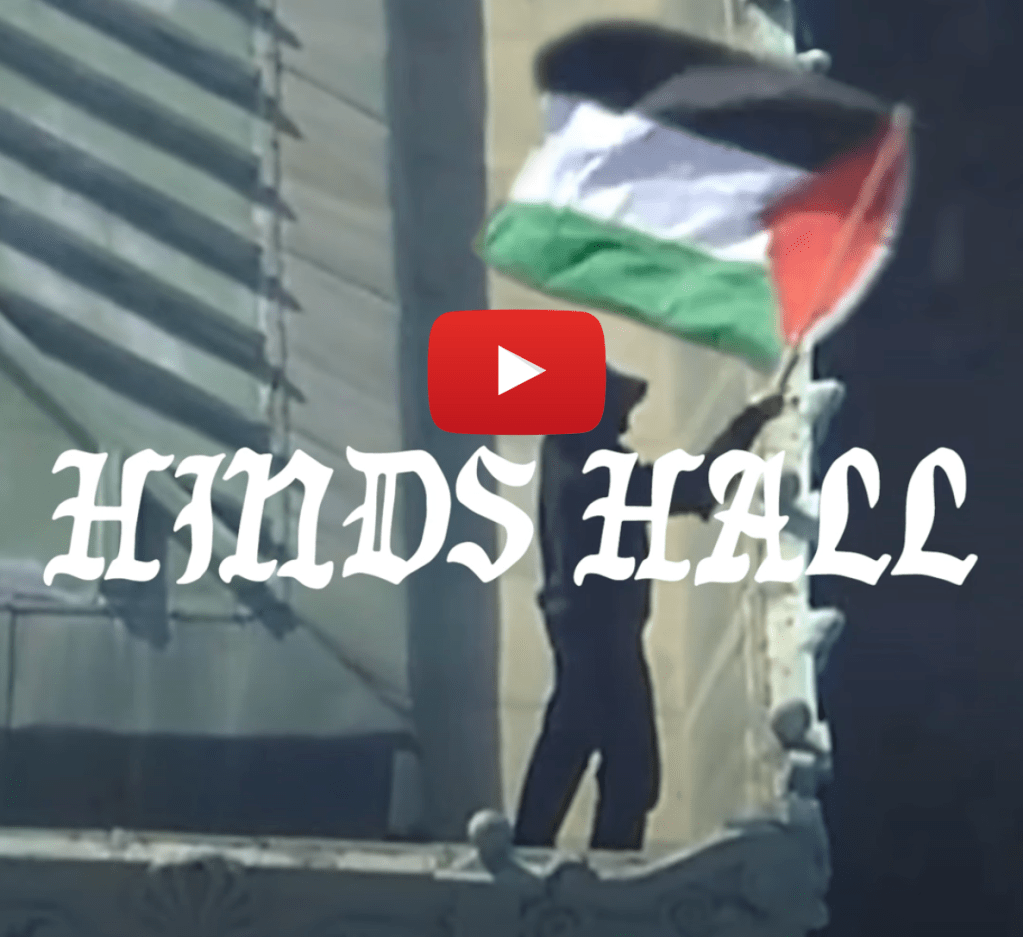
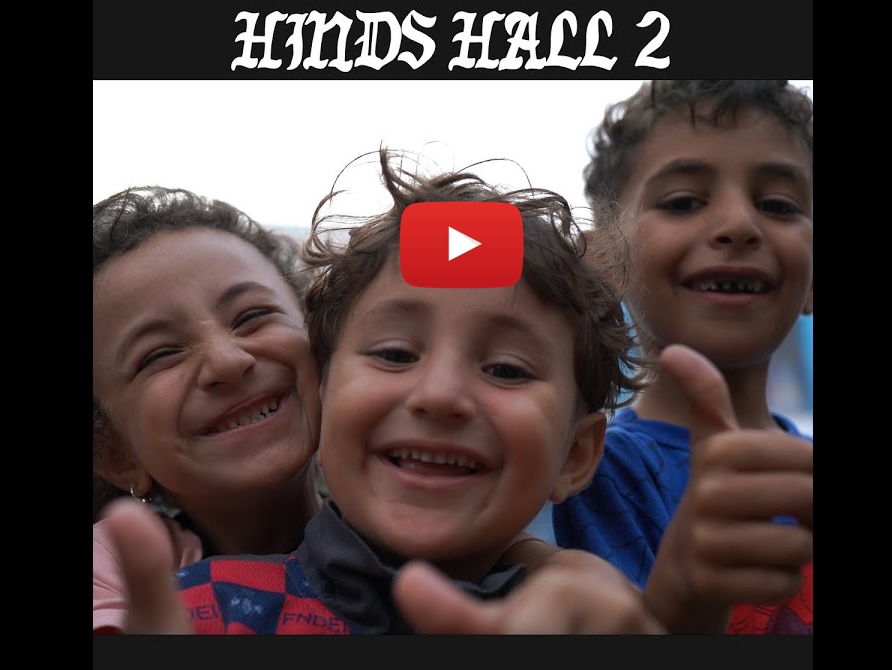
(feat. Anees, MC Abdul, Amer Zahr)

Shireen Abu Akleh Collection (Journalism, Testimonials and Thematic Reports)
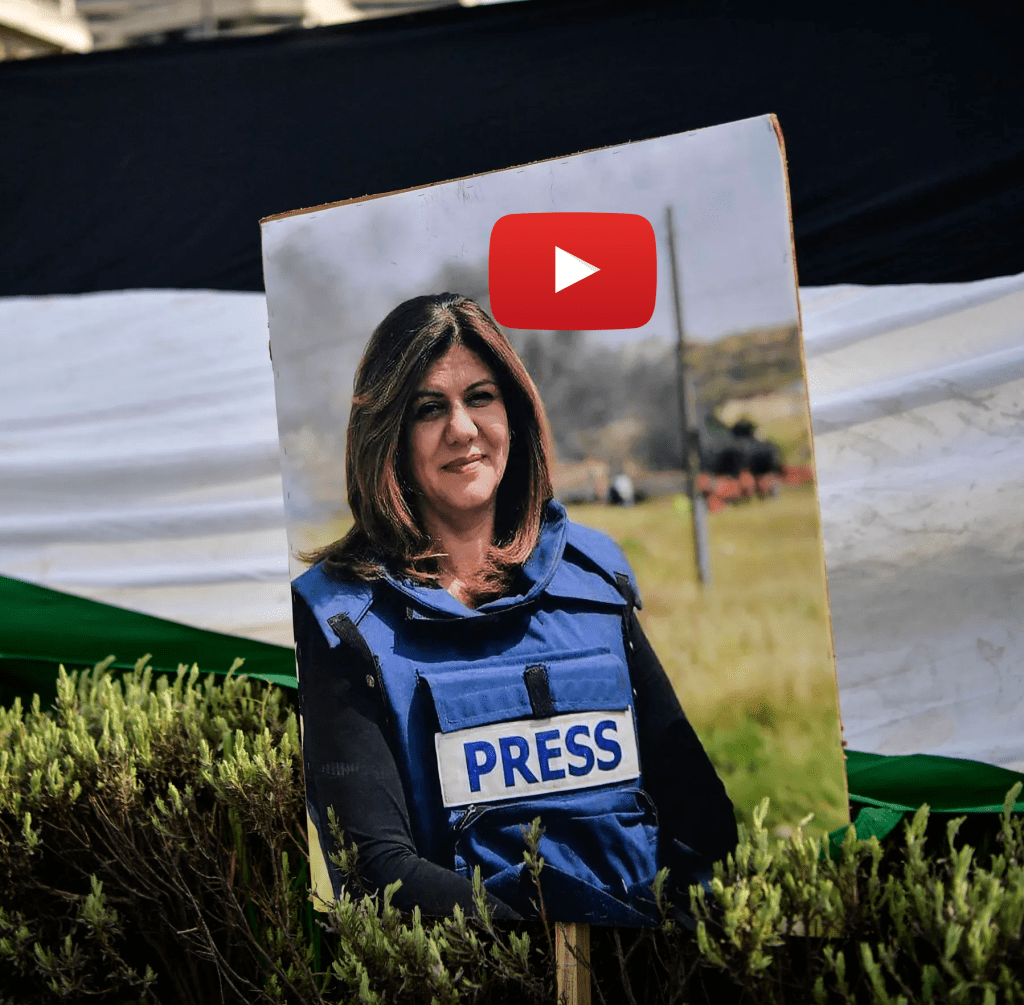
Shireen Abu Akleh (1971-2022) was a prominent Palestinian-American journalist who reported for Al-Jazeera for 25 years. She lived in East Jerusalem and covered Palestine-related stories including the Second Intifada, Israeli politics, and funerals of Palestinians killed by Israeli forces. She was herself killed by Israeli forces while covering a raid on the Jenin refugee camp in the occupied West Bank – despite the fact that she was wearing a blue press vest. Israeli officials initially blamed Palestinian militants for her killing and refused to cooperate with investigations; but after independent scrutiny by international media, the UN, and the U.S. State Department, they admitted she was likely “accidentally” killed by Israeli forces. Evidence suggests that she was deliberately targeted and deprived of medical aid by Israeli forces. Abu Akleh’s funeral drew tens of thousands in what was possibly the largest Palestinian funeral in Jerusalem in decades. In October 2023, Israeli forces bulldozed a memorial erected where she was killed.
Islam Haboush Collection (Essays and academic texts)
Professor Islam Suleiman Haboush was a well known researcher at the Islamic University of Gaza. She was author of the book Popular Resistance During the First Intifada in the Gaza Strip. She was also known for her lectures on the history of Jerusalem and Al-Aqsa in particular. She was killed in Gaza, along with most of her family members, in an Israeli airstrike on October 19, 2023.
(Excerpts from Fact Sheet: Scholars Killed, on the website Georgetown Faculty & Staff for Justice in Palestine)

Hiba Abu Nada Collection
Hiba Abu Nada was a Palestinian poet, novelist, educator, and women’s rights activist. Her novel Oxygen is not for the dead won second place in the Sharjah Award for Arab Creativity in 2017. It was published in UAE in 2017 and in Kuwait in 2021. Her poems have appeared in several poetry anthologies.
Hiba Abu Nada held a BA in Biochemistry from the Islamic University of Gaza. She earned a diploma in education and was preparing her master’s thesis in Clinical Nutrition at Al-Azhar University at the time she was killed by an Israeli airstrike in Khan Yunis, southern Gaza, on October 20, 2023. She was 32 years old.
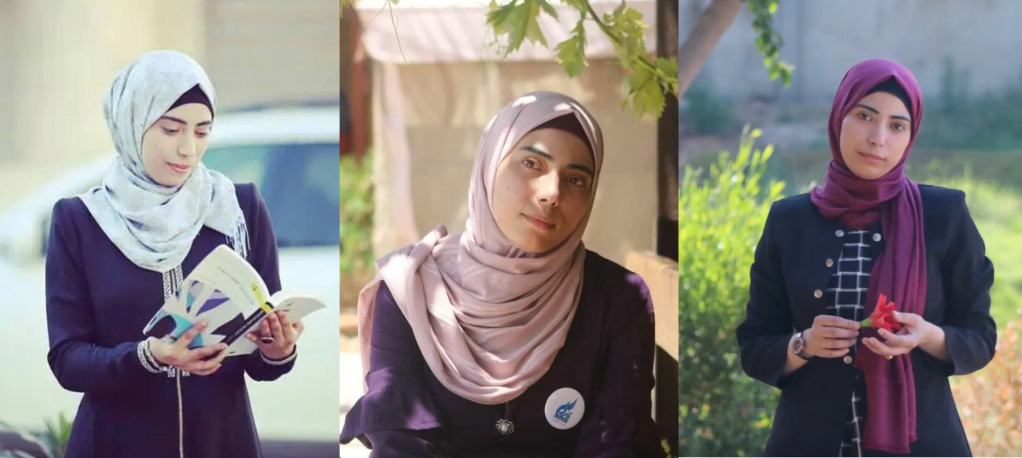
Encampment Collection (Texts related to the encampment protests, especially in UW-Madison)
In the spring academic term of 2024, students at over 100 colleges and universities across the U.S. set up tent encampments to protest the ongoing genocide against the Palestinian people. Their main demands were related to divestment from companies and other entities supporting Israel. While a minority of schools met at least some of the movement’s demands, about half of these encampments ended with campus or local authorities forcibly removing protestors. Hundreds of students were arrested, had their degrees withheld, or faced other academic disciplinary measures. Subsequent protests have demanded amnesty for students involved in the encampments.
We Are Not Numbers Collection (Texts by Palestinian authors published by WANN)
We Are Not Numbers (WANN) is an organization than supports developing writers in Palestine, primarily Gaza. It provides training in language, narrative, and process, emphasizing English writing skills in order to reach a global audience. It also pairs young writers in Gaza with experienced English-language writing mentors around the world. WANN’s mission is to humanize the people behind the statistics in the news, and offer historically-suppressed perspectives by making available unfiltered accounts from Palestinians living under occupation and in exile. This project is a way to foster Palestinian self-determination, justice, and peace through literature. WANN was founded in 2015 by American journalist Pam Bailey; chair of the board of directors of Euro-Med Human Rights Monitor, Dr. Ramy Abdu; and poet, scholar, and activist Refaat Alareer.
Not in Our Name Collection
“Not in Our Name” is a phrase that has become a rallying cry among anti-Zionist Jewish activists protesting Israel’s ongoing genocidal war on Palestinians. It is a response to the claims that the state of Israel is acting on behalf of all Jewish people (especially those in the U.S.) in waging their settler-colonial war against the Palestinian people. It belies the notion that criticism of Israel is anti-Semitic – but rather reclaims Jewish values (such as “tikkun olam,” or world repair) to support Palestinian resistance. Some of the most visible protests in the U.S. to Israel’s ongoing genocide – including actions at government buildings in Washington D.C., major sites in New York City, and college and university campuses across the country – have been organized by Jewish groups such as Jewish Voice for Peace and IfNotNow. The slogan “Not in Our Name” was previously used by U.S. activists protesting the Global War on Terror in the wake of the attacks on the World Trade Centers on September 11, 2001, and by Jewish activists protesting Israel’s policies in Palestine.
 Andaleeb Cartonera